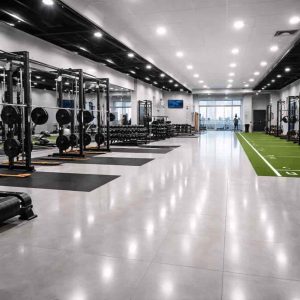
 High-tech sports centers are built to perform. They use advanced training equipment, motion-tracking systems, climate control, and smart lighting. Every detail is designed to improve performance and protect athletes. But there’s one feature that often gets overlooked: the tiles under everyone’s feet, which is why regular tile cleaning Brisbane services are essential in keeping these surfaces safe and professional-looking. Tiles may seem like a basic building material. They’re not flashy. They don’t track heart rates or measure speed. Still, they play a critical role in safety, hygiene, and the overall experience inside modern sports facilities.
Safety Starts from the Ground Up
Athletes move fast. They cut, pivot, jump, and sprint. Even in training areas without full courts, players are constantly in motion. Clean tiles reduce the risk of slips and falls, especially in high-traffic areas like locker rooms, pool decks, and entrances.
When tiles are dirty, dust and moisture mix. That creates a slick surface. In strength training areas, chalk and sweat build up quickly. If not cleaned properly, residue can spread and make floors unpredictable.
High-tech sports centers often install slip-resistant tiles. But even the best flooring loses effectiveness when grime builds up. Dirt fills in textured surfaces and reduces grip. Regular cleaning keeps the surface performing as designed.
And it’s not just athletes at risk. Coaches, trainers, and visitors move through these spaces every day. A single slip can lead to serious injury and liability issues.
Hygiene in High-Traffic Environments
Sports centers are shared spaces. Hundreds or even thousands of people may pass through each week. That means sweat, dirt, bacteria, and moisture are constant factors.
Tiles, especially in showers and locker rooms, are exposed to warm, damp conditions. That’s an ideal environment for mold and mildew. Once it starts, it spreads quickly along grout lines and under edges.
High-tech facilities often promote themselves as clean and professional. But visible grime on tiles sends the opposite message. It signals neglect. And members notice.
Regular tile cleaning helps control bacteria and odors. It also protects air quality. Mold spores don’t stay on the floor. They move through ventilation systems and affect the whole building.
In spaces with hydrotherapy pools or recovery zones, hygiene is even more important. Athletes recovering from injuries may have weakened immune systems or open wounds. Clean surfaces reduce the risk of infection.
Protecting Investment in Premium Design
Modern sports centers invest heavily in design. Many choose high-end porcelain or ceramic tiles for durability and appearance. Some use large-format tiles to create a seamless, professional look. Others incorporate custom patterns or branded colors. Dirty tiles undermine that investment.
Grout lines are especially vulnerable. When not sealed and cleaned regularly, they stain. Over time, discoloration becomes permanent. Replacing grout or tiles is expensive and disruptive.
Clean tiles preserve the facility’s original look. They maintain brightness under LED lighting and prevent dullness caused by residue. In high-tech environments where design and branding matter, small details make a difference.
It also affects how the space feels. A clean, well-maintained floor conveys a sense of order and discipline. That aligns with the mindset athletes need.
Supporting High-Tech Systems
Many modern sports centers rely on advanced systems. There are motion sensors, performance cameras, and smart cleaning robots. But these systems work best in clean environments.
Dust and debris can interfere with sensors. In some cases, buildup near walls or corners affects camera calibration or tracking accuracy. It sounds minor, but in performance training, small errors matter.
Automated cleaning machines also depend on consistent surfaces. If tiles are heavily soiled, robotic systems may not clean effectively. They’re designed for maintenance, not deep restoration.
Clean tiles support the technology around them. They create stable, predictable conditions for equipment and systems to function properly.
First Impressions Shape Reputation
Athletes and parents quickly judge a facility. So do sponsors and visiting teams. They notice the details.
Shiny equipment doesn’t compensate for stained floors. A high-tech training lab loses credibility if the locker room smells musty or looks neglected.
Clean tiles reflect professionalism. They show that management pays attention. That builds trust.
For competitive sports centers, reputation matters. Word spreads fast, especially in local athletic communities. A clean environment signals quality training and responsible management.
Longevity and Cost Control
Tile is durable, but not indestructible. Dirt acts like sandpaper. When ground into the surface, it causes micro-scratches. Over time, those scratches trap more dirt, making cleaning harder.
Moisture left sitting on tiles seeps into grout. That weakens the structure beneath. Eventually, tiles loosen or crack.
Routine cleaning extends the life of the flooring. It reduces the need for major repairs and full replacements. In large facilities, replacing tile can mean shutting down sections for weeks.
That downtime costs money. It also disrupts training schedules.
Preventive maintenance is simpler and less expensive. A consistent cleaning schedule protects the surface and the budget.
Athlete Experience and Performance
Athletes are sensitive to their environment. They notice when a space feels fresh and organized. Clean surroundings help them focus.
A dirty environment does the opposite. It distracts. It raises questions about overall standards.
There’s also a psychological factor. Clean spaces support discipline. They reinforce routines. When athletes see that the facility is cared for, they’re more likely to respect it.
And respect affects behavior. People are less likely to litter or ignore rules in well-maintained spaces.
Performance isn’t only about equipment and coaching. It’s about the environment. Clean tiles contribute more than most people realize.
Smart Cleaning for Smart Facilities
High-tech sports centers should approach tile cleaning strategically. That means more than occasional mopping.
It involves:
- Scheduled deep cleaning of grout
- Proper sealing to prevent staining
- Use of non-abrasive, sport-safe cleaners
- Monitoring moisture levels in locker rooms
- Regular inspections for cracks or loose tiles
Some facilities integrate cleaning data into facility management software. They track frequency and identify problem areas. That fits with the broader high-tech approach.
The goal is consistency. Not just reacting to visible dirt.
It’s a Detail That Carries Weight
Tiles don’t attract headlines. They don’t show up in marketing photos as often as advanced equipment. But they carry every step, every drop of sweat, and every piece of dirt that enters the building.
In high-tech sports centers, performance and precision matter. Clean tiles support both. They protect safety, hygiene, investment, and reputation.
It’s easy to focus on cutting-edge tools and forget the basics. But the basics still matter.
And in a space built for peak performance, the ground beneath your feet should meet the same standard as the technology above.