

Building a Sports Startup? The Tech Tools You Need to Register, Launch, and Scale Fast

Sports and Technology

Starting a sports-focused company today takes more than passion for competition, it takes a smart foundation and the right build tools. The sports world used to move slowly. That pace has changed fast. Athletes now expect personalized training and experiences, teams run decisions through analytics, and fans demand constant updates and engagement. When you are building a sports startup, whether it is an app, a training marketplace, a performance tool, or a local coaching service, your software stack matters deeply. Many founders lean into business fundamentals early by using business-focused resources to guide formation, compliance, and scalable operations while staying focused on innovation.

Below is a simple walkthrough of the tech you need at each stage: registering your business, launching your product, and scaling as the customer base grows.

1. Register Fast and Get Your Legal Basics in Place

The less time you spend wrestling with formation paperwork, the more time you can spend building. A few tools streamline the early administrative steps.

Business formation platforms.

Services like Stripe Atlas, Clerky, and Firstbase.io help you create an LLC or corporation, file documents, set up banking, and manage cap tables. They remove friction, so you do not have to piece things together across multiple sites. If you expect investors, look for tools that handle equity issuance and standard legal templates.

Digital contracting and signature tools.

You will need NDAs for developer partners, agreements with trainers, and terms for early testers. DocuSign and PandaDoc help you create simple contracts and get signatures quickly. They also store everything in one place, which matters once you start dealing with sponsorships or licensing.

Compliance and accounting software.

If you are taking payments from athletes, coaches, or teams, you must stay compliant from day one. QuickBooks, Xero, and Pilot for bookkeeping keep your finances clean while you build. It may not feel urgent early on, but messy financials slow you down later when you try to raise funds or secure partnerships.

2. Build and Launch Your Product Without Overcomplication

Sports startups are often data-intensive. You might track performance metrics, upload video, or run machine learning models on athlete data. You do not need to build everything from scratch. The proper infrastructure shortens your development cycle.

No-code and low-code builders for early prototypes.

Before writing a complete platform, test your idea with tools like Glide, Bubble, or Webflow. Coaches and athletes care about outcomes, not perfect code. A quick prototype lets you validate your idea with real users.

Cloud infrastructure that scales automatically.

AWS, Google Cloud, and Azure offer starter tiers with managed databases, media storage, and analytics. Choose one and stick with it. Switching later is painful. If your startup involves video, which is common in training, scouting, and injury assessment, look for cloud services with built-in video processing and CDN delivery.

Developer tools that reduce friction.

GitHub for version control, Figma for design, and Postman for API testing help teams collaborate even if they are small. And if you are integrating wearables, many devices come with SDKs or ready-made APIs to handle sensor data. Use those instead of building your own pipeline from scratch.

Payment and subscription management.

Most sports apps use subscriptions or session-based payments. Stripe makes it easy to start charging users and experiment with pricing. Set this up early so you can learn what people are actually willing to pay for.

3. Data and Analytics: The Core of Modern Sports Innovation

Once your product is working, you will need tools to collect and make sense of the data that comes in. Nearly every sports startup sets goals around personalization, performance, or engagement. All three rely on data.

Product analytics platforms.

Mixpanel, Amplitude, or Plausible help you track how customers use your product. For example, if athletes drop off during a training plan or coaches ignore certain features, you see it quickly and can adjust. This saves months of guessing.

Athlete performance and biometric tools.

If your startup integrates wearable data, platforms like Catapult, Whoop, or Polar have APIs you can tap into. Use those instead of building your own measurement tools. Your value comes from interpretation and delivery, not from reinventing hardware.

CRM for sports customers.

If you sell to teams, academies, clubs, or trainers, adopt a CRM early. HubSpot and Pipedrive keep your sales pipeline visible. Sports markets depend on relationships, but that does not mean you should track everything in a spreadsheet.

4. Tools to Scale and Stay Reliable

Growth in sports often comes in waves. Tournaments, seasons, holidays, or social media surges can bring sudden spikes. Prepare your tech stack so you do not crumble under traffic once athletes start sharing your app.

Automation for customer support.

Use systems like Intercom, Help Scout, or Zendesk for onboarding messages, FAQs, and support tickets. Sports users expect quick answers because their work is time-sensitive.

Marketing automation and fan engagement tools.

If part of your product involves community, events, or content, tools like ConvertKit, Mailchimp, or SendGrid help you nurture users and keep them engaged. Consistency beats volume. Short, clear messages work best.

Scalable hosting and monitoring.

Set up uptime monitoring with tools like Pingdom or Datadog. Sports users do not tolerate downtime. If they are mid-training or mid-season, they need your platform to work.

A Final Thought

The sports tech world is growing quickly, but you do not need a huge team to keep up. Use the tools that handle the heavy work so you can focus on your actual value. Build lean, test with real users, and choose tech that will not slow you down once momentum starts to build.

Discover How Jeju Room Bread is Blending Tradition, with Sports Technology

Sports and Technology

Travelers often look for unique treats. One that has steadily gained popularity is Jeju room bread (제주 룸빵) offered in one of the best bed and breakfast rooms in South Korea. This specialty from Jeju Island is more than just a snack; it represents the island’s growing culture of blending traditional flavors with modern experiences.

Tourists often enjoy it alongside a day filled with local activities such as relaxing in salons, exploring karaoke spots, or strolling through vibrant night markets. The popularity of Jeju room bread highlights how food can become a cultural symbol. Also, its ability to draw attention to the innovative ways traditions adapt in a rapidly evolving society. That same theme of adaptation is now making waves in an entirely different industry, sports performance.

How Technology Shapes Athletic Growth?

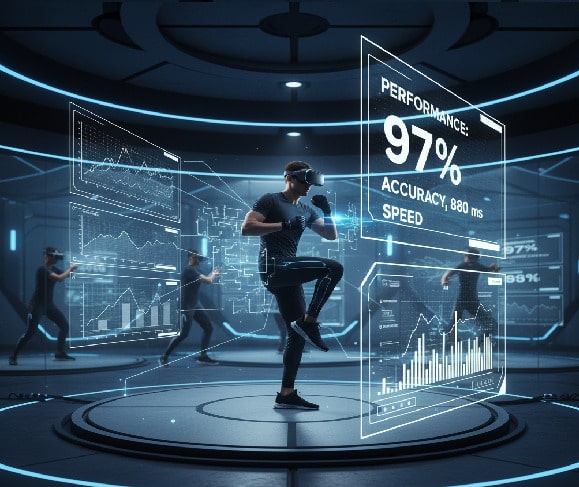
Just as culinary traditions evolve with modern twists, athletic training has embraced cutting-edge solutions. One of the most influential developments is the use of augmented reality (AR) and virtual reality (VR) in analyzing performance. 

These tools allow athletes to step into simulated environments that mirror real-game situations, giving them the opportunity to refine decision-making under pressure. Coaches also gain the ability to replay scenarios, highlight weaknesses, and adjust strategies in ways that were previously impossible.

AR/VR’s Lessons of Innovation Empowered by Jeju Room Bread

The rise of AR and VR in sports serves as a reminder that innovation does not always mean replacing what exists, but rather enhancing it. By layering new perspectives onto real-world experiences, athletes gain insights that traditional video analysis cannot provide. 

For example, VR headsets immerse players in fully interactive drills where they can practice reaction times, footwork, and spatial awareness without the physical toll of repeated scrimmages. AR overlays, on the other hand, provide real-time data during training sessions, helping athletes immediately correct form and technique.

Practical Applications in Training

Incorporating AR and VR into sports training has revolutionized the way athletes and teams prepare. Football quarterbacks can now visualize defensive formations before stepping onto the field, while basketball players practice free throws under simulated conditions such as crowd noise or shifting arena lighting. 

These immersive environments sharpen focus and build the kind of mental resilience that often separates good athletes from elite performers. Beyond simulation, coaches also rely on motion-tracking technology to analyze biomechanics, helping prevent injuries while maximizing efficiency. 

Together, these innovations are shaping a new era of preparation that blends technology with athletic performance.

Expanding access to Cutting-Edge Tools

What was once exclusive to elite organizations is now reaching amateur athletes and smaller clubs. Affordable VR systems and AR-enabled mobile apps are making advanced training tools widely accessible, giving more players the chance to analyze and refine their skills at a professional level. 

This democratization of sports technology is raising the overall standard of play while opening new opportunities for global sports development. By combining immersive practice, precise performance data, and injury prevention strategies, these tools are reshaping how athletic progress is measured and improved.

When Culture Meets Innovation: The Blend of Technology, Sports, and Traditional Chinese Women’s Clothing

Athletes, Sports Fashion

As technology continues to shape the way we live, it has also found its way into sports and fashion. One of the most interesting areas of change is the merging of modern tech with traditional Chinese women’s clothing, especially when applied to athletic wear and performance. This combination of old or traditional Chinese clothing from RobesChinoises.fr and new shows how cultural heritage and modern needs can work together to create something beautiful and useful.

Traditional Chinese Women’s Clothing: A Symbol of Grace and Identity

Traditional Chinese women’s clothing includes garments like the qipao (cheongsam), hanfu, and ruqun. These clothes are known for their detailed embroidery, flowing fabric, and symbolic colors. The qipao, with its high collar and slim silhouette, became a modern symbol of Chinese elegance in the early 20th century. The hanfu, on the other hand, traces its roots back over two thousand years, featuring layered robes and wide sleeves that reflect the country’s deep cultural roots.

What makes these outfits special is not just their beauty, but their meaning. Every detail—from patterns like phoenixes or peonies to the use of silk—has a story. They speak of status, celebration, and tradition. In recent years, there’s been a growing movement to bring back these styles into daily life and even into pop culture.

How Technology Is Changing Sportswear

Sportswear today is all about function. Whether it’s for running, basketball, or yoga, modern athletic wear is made to be breathable, stretchable, and sweat-resistant. Technology has given us smart fabrics that adjust to body temperature, reduce odor, and even measure performance. Athletes now wear sensors in their clothing to track heart rate, steps, and movement, helping coaches and players improve with data-driven insights.

Brands are now using AI, 3D modeling, and virtual try-on tools to design better sports apparel. Wearable tech is no longer limited to watches or bands—it’s woven right into the fabric. This tech helps enhance comfort, monitor performance, and prevent injury.

Traditional Design in Modern Athletic Wear

The idea of combining traditional Chinese fashion with sports gear might seem unusual at first, but it’s becoming a trend. Designers are creating pieces that draw inspiration from hanfu or qipao silhouettes and mixing them with modern materials and tech. For instance, a sports jacket might use the mandarin collar of a qipao or the flowing sleeve style of a hanfu, while still being made from quick-dry fabric.

This fusion serves more than just a fashion purpose. It connects the athlete with cultural identity. Whether it’s for a performance, martial arts competition, or a cultural sports event, many are finding value in wearing clothes that reflect both their roots and their role in the modern world.

At the 2008 Beijing Olympics and again in the 2022 Winter Games, many Chinese athletes and performers wore outfits that paid tribute to their culture through traditional designs while still functioning as sports uniforms. These designs were not just for looks—they represented pride, history, and modern confidence.

The Role of Technology in Preserving and Promoting Tradition

Modern tech has also made it easier to preserve and spread the beauty of traditional Chinese clothing. Virtual reality and 3D scanning help museum curators and fashion historians digitize rare garments. Designers can use digital tools to recreate ancient patterns or embroidery styles without harming fragile originals.

On social media platforms like TikTok, Instagram, and Xiaohongshu, influencers showcase modern takes on hanfu or qipao while doing everyday activities—sometimes even working out in them. This trend helps younger generations feel more connected to tradition while living in a modern, tech-driven world.

Moreover, sports events have started to use digital storytelling tools, holograms, and AR filters that feature traditional Chinese outfits. These allow fans to experience and appreciate the culture in an interactive way, whether they’re in a stadium or watching from home.

How Massage and Wellness Centers Are Supporting Sports Performance

Athletes

In sports, performance isn’t just about training harder or playing smarter; it’s also about recovering better. Today’s athletes are adopting a more strategic approach to recovery, utilizing technology to access essential services such as massage, physiotherapy, and more.

Through mobile apps and digital platforms, athletes are easily finding and booking trusted wellness professionals, changing how recovery fits into their athletic routines.

In South Korea, athletes can browse through digital platforms like OPCMD to look for trusted op sites or venues like massage and wellness centers.


The Rise of Recovery Tech

In the past, recovery options were limited to what a team or local clinic could offer. Athletes often relied on word-of-mouth recommendations or dealt with long wait times for appointments. Now, digital platforms have made high-quality recovery care far more accessible. With just a few taps, athletes can locate licensed providers in their area, check real-time availability, and book recovery sessions that fit their schedule.

Apps like Soothe, Zocdoc, and sport-specific wellness platforms are leading the charge. They connect users to local massage therapists, physical therapists, cryotherapy centers, acupuncturists, and more, often complete with verified reviews, credentials, and secure online booking. The result? Recovery becomes as easy to access as ordering food or booking a ride.


Why Recovery Matters More Than Ever

Sports science has made it clear: recovery isn’t optional—it’s essential. Proper recovery helps prevent injuries, improves sleep quality, reduces inflammation, enhances focus, and speeds up muscle repair.

This isn’t just for elite athletes, either. College players, high school teams, and even recreational athletes are prioritizing recovery more than ever before. With wellness platforms offering widespread access to services once reserved for pros, everyday athletes can now build recovery routines that support their goals and protect their bodies.


Local Services with National Reach

One of the biggest benefits of recovery platforms is that they bridge the gap between convenience and consistency. Whether at home, on campus, or traveling for a tournament, athletes can find certified providers nearby; no need to interrupt a recovery plan just because of location.

Heading to a weekend competition? An athlete can locate a massage therapist near the hotel. Home for the holidays? They can continue their regular bodywork with a vetted provider in the area.

This flexibility also supports local wellness businesses. Massage therapists and recovery specialists attract new clients, fill open appointments, and establish connections with athletic communities. It’s a win-win: athletes stay healthy, and providers remain busy.


Personalized Recovery at Your Fingertips

Athletes value control over their routines, and recovery is no exception. Digital wellness platforms allow users to filter by specialty, such as deep tissue massage, trigger point therapy, or sports-specific recovery techniques. They can also browse for providers who have experience with their sport or training style. Some platforms even track session history, helping athletes maintain a consistent and customized care plan.


Mental Recovery, Too

Many massage and wellness centers are expanding their services to include mental wellness options, such as guided meditation, yoga therapy, and breathwork. These services reflect a broader view of athletic recovery, one that addresses both body and mind.


The Role of Data and Wearables

Some recovery platforms are starting to integrate with fitness apps and wearable technology, enabling athletes to track how their recovery habits affect their performance. Metrics like heart rate variability, sleep quality, and soreness ratings can inform more personalized recovery suggestions.

Although still a growing trend, data-informed recovery plans are likely to become more mainstream, helping athletes fine-tune their schedules based on real-time feedback from their bodies.


The Bottom Line

Recovery is no longer a luxury or an afterthought; it’s a core pillar of athletic success. Massage and wellness centers, accessed through modern digital platforms, are making it easier than ever for athletes to care for their bodies and stay in the game.

Whether it’s a post-game massage, a mobility session, or a mental reset through yoga and breathwork, athletes now have recovery options that are fast, flexible, and effective. But at the heart of it all is a simple truth: timely recovery leads to better performance. And thanks to the growing network of wellness platforms and providers, getting that recovery is more accessible than ever.

How Language Tech and Global Sports Build Bridges: Lessons from Spanish Immersion Adventures

Sports and Technology

playing soccer in spain

Over 500 million people around the world speak Spanish, making it one of the most important languages for global connection. But beyond textbooks and grammar drills, real learning often happens when we blend language with culture, movement, and tech. From kicking a soccer ball on a dusty field in Latin America to sharing a laugh during a fitness class, these moments break barriers faster than any dictionary can.

Tech tools and sports are transforming the way travelers learn languages and connect with locals. For those joining an immersion program in Spain, digital resources and shared athletic passions offer shortcuts to communication and cultural bonding. Whether it’s through a language app before departure or a spontaneous game of fútbol with new friends, the bridges being built are strong—and surprisingly fun.

The Power of Language Apps and Wearables

Language apps like Duolingo, Babbel, and Memrise are popular choices for travelers preparing for immersion trips. These tools provide foundational vocabulary and phrases, often gamified to keep users engaged. But preparation doesn’t stop at apps. Smartwatches and wearables now support language translation features in real-time. Travelers can discreetly check their wrists to understand phrases or reply in Spanish when confidence wavers. There’s also an overlap with digital platforms that focus on how technology helps improve writing skills, which is just as important for expressing thoughts clearly while learning a new language.

These tools are helpful, especially in the early stages of a trip. They offer a safety net, allowing travelers to attempt conversations they might otherwise avoid. Over time, the reliance on tech fades—but its impact on early confidence is undeniable.

Sports: A Universal Language

One of the easiest ways to connect with others abroad is through sports. Soccer, in particular, is more than just a game in Spanish-speaking countries. It’s a cultural event, a shared rhythm that speaks without words. Many participants in immersion programs find themselves invited to local matches or casual pickup games. The rules are known, the movement is familiar, and communication often happens through gestures and team dynamics.

During a recent trip to Costa Rica, a group of students from a language school joined a neighborhood match. They struggled with words at first, but laughter and teamwork filled the silence. By the end of the game, they’d learned more than just vocabulary—they’d built relationships.

Fitness Classes as Social Hubs

Another underrated language-learning setting? The gym. Zumba, yoga, and HIIT classes offered in Spanish give learners a chance to practice listening skills in real time. Instructions, body movements, and group energy create a space where communication is physical and verbal. For many, understanding commands like “¡Arriba!” or “¡Más rápido!” becomes second nature.

Beyond language, fitness centers often serve as community hubs. Meeting someone after class, grabbing a smoothie together, or even laughing over sore muscles the next day creates lasting bonds. These are the kinds of interactions that cement language retention far better than flashcards ever could.

Online Prep Courses and Cultural Readiness

While tech and sports are powerful, combining them with guided cultural prep makes for the most impactful immersion. Online courses offered by programs like CGI’s Spanish adventures not only cover language basics but also prepare students for cultural cues. They might learn when to shake hands versus a kiss on the cheek, or how to politely decline food without offending a host. These lessons matter—and prevent missteps that could otherwise create distance.

By blending structured preparation with real-world spontaneity, travelers become more than just visitors. They become participants in daily life, even if just for a few weeks.

Lessons That Last

What do people remember most from their Spanish immersion adventures? It’s not always grammar rules or perfect pronunciation. It’s the moment a teammate shouted “¡Pásala!” during a game. It’s the day a classmate corrected your form during yoga and you both burst out laughing. It’s realizing that communication is so much more than words.

Tech helps start the journey. Sports and movement deepen it. Cultural understanding makes it real. Together, they create a powerful recipe for connection. Whether you’re planning your first immersion or reflecting on one from years ago, the impact of these shared moments lasts a lifetime.

Conclusion

Learning Spanish isn’t just about mastering a language—it’s about discovering new ways to connect. When tech, sports, and cultural openness come together, barriers fall fast. Whether you’re on the field, in the gym, or exploring a new city, every step you take speaks volumes. Sometimes, it’s not the words you remember—it’s the people who helped you say them.

Pro Athlete or Pro Gamer? The Tech That Powers Both Worlds

eSports, Technology

A pro gamer and an athleteElite athletes and professional gamers share a common goal: peak performance. Both worlds demand precision, lightning-fast reactions, and tools designed to shave milliseconds off their game. The technology behind their success is strikingly similar, bridging the gap between physical and digital arenas. From ergonomic chairs to reaction time trackers, the gear used by pros in sports and esports is built for one thing—optimization. Let’s dive into how these high-performance tools overlap and what makes them tick.

Consider the setup of a pro gamer. They’re hunched over a desk, eyes locked on a monitor, fingers flying across a keyboard. Every piece of equipment matters. A high-refresh-rate monitor ensures smooth visuals, while a low-latency mouse delivers split-second accuracy. Now, picture an athlete training for the Olympics. They’re using wearable sensors to track heart rate and motion, or software to analyze their sprint times. Both are chasing perfection, and both rely on tech to build your perfect gaming setup or training regimen. The right tools can mean the difference between victory and defeat.

Precision Tools for Split-Second Wins

Reaction time is king in both domains. Pro gamers use specialized software and hardware to measure and improve their reflexes. Tools like aim trainers simulate in-game scenarios, helping players react faster to on-screen threats. Similarly, athletes use reaction time devices, like light-based systems, to sharpen their starts in track or their swings in baseball. These tools aren’t just fancy gadgets. They provide data-driven feedback, letting users fine-tune their performance. For example, a gamer might adjust their mouse sensitivity based on aim trainer results, while a sprinter tweaks their stance after analyzing sensor data.

What’s fascinating is how these tools cross-pollinate. Some esports pros now use wearable tech, like heart rate monitors, to manage stress during high-stakes matches. Meanwhile, athletes are adopting gaming-inspired tech, such as virtual reality systems, to simulate real-world scenarios. Imagine a basketball player practicing free throws in VR or a gamer using biofeedback to stay calm in a clutch moment. The lines are blurring, and the tech is converging.

Ergonomics: Comfort Meets Performance

Comfort isn’t just a luxury—it’s a necessity. Pro gamers sit for hours, so their chairs are engineered for support. High-end ergonomic gaming chairs feature adjustable lumbar support, reclining backs, and breathable materials to keep players focused. Athletes, too, rely on ergonomic gear. Compression wear stabilizes muscles during intense workouts, while custom insoles reduce strain during long training sessions. Both fields prioritize equipment that reduces fatigue and boosts endurance. After all, a cramped hand or a sore back can ruin a performance, whether you’re clutching a game or sprinting for gold.

Take gaming keyboards, for instance. Mechanical switches are designed for speed and tactile feedback, letting gamers execute complex moves without missing a beat. Similarly, athletes wear shoes with advanced cushioning and grip to optimize every step. The principle is the same: reduce friction, enhance control. Even the materials overlap—both industries use lightweight, durable fabrics to keep pros cool under pressure. It’s no surprise that brands are starting to market cross-disciplinary gear, blending athletic and gaming aesthetics.

Wearables and Data: The Future of Optimization

Data drives progress in both worlds. Wearable tech, like fitness trackers, gives athletes real-time insights into their performance—heart rate, calories burned, even sleep quality. Esports pros are catching up, using similar devices to monitor their health during grueling tournaments. Why? Because mental clarity and physical stamina are just as critical in a 12-hour gaming marathon as they are in a triathlon. Some teams even employ sports scientists to analyze player data, optimizing everything from diet to reaction times.

But it’s not just about wearables. Software plays a huge role. Athletes use apps to track training progress, while gamers rely on analytics platforms to review their gameplay. These tools break down performance into granular details—missed shots, inefficient movements, or wasted time. By studying this data, both groups can refine their strategies. It’s a cycle of improvement that never stops. The tech keeps evolving, and so do the pros.

Where Tech Takes Us Next

The overlap between athletic and gaming tech is growing. Virtual reality is a prime example. Athletes use VR to simulate high-pressure scenarios, like a penalty kick in soccer. Gamers use it to immerse themselves in virtual worlds, training their reflexes in 360-degree environments. Haptic feedback devices are another frontier, giving both groups tactile cues to enhance training. Imagine a glove that vibrates to signal a perfect swing or a controller that mimics the feel of a real weapon.

So, are pro athletes and pro gamers so different? Their goals align—precision, speed, and relentless improvement. The tech they use reflects that shared drive. From reaction time tools to ergonomic designs, the gear in both worlds is built to push human limits. As technology advances, expect even more crossover. The future might see athletes and gamers training side by side, using the same cutting-edge tools to chase greatness. For now, one thing’s clear: whether you’re running a marathon or dominating a virtual battlefield, the right tech is your secret weapon.

How a Camper Cover Mentality is Revolutionizing Sports Technology?

Sports and Health

Technology has infiltrated virtually every aspect of athletic competition, creating unprecedented opportunities for performance enhancement, injury prevention, and spectator engagement. The camper cover concept provides comprehensive protection while maintaining functionality, perfectly describes how technology now envelops sports at all levels.

From professional leagues to weekend warriors, technological innovations are transforming how we play, watch, and understand athletic competition in ways that were unimaginable just a decade ago.

Camper Cover Approach to Sports Technology

This level of approach ensures athletes receive 360-degree technological support, covering every aspect of performance, protection, and recovery.

Wearable sensors have transformed training methodologies across sports disciplines. Basketball players now wear devices that track jump height, acceleration, and fatigue levels during practice.

Swimmers monitor stroke efficiency and lap times through waterproof trackers. Even traditional sports like golf employ swing analyzers that provide instant feedback on club path and impact angles, allowing for immediate adjustments.

Smart Apparel and Embedded Technology

Athletic gear has evolved beyond aesthetics and comfort, today’s smart apparel integrates sensors and responsive materials that provide real-time data and adaptive support.

Compression garments now monitor heart rate, hydration, and muscle activity. Footwear equipped with pressure sensors can correct running posture or detect early signs of fatigue.

These innovations ensure athletes are constantly connected to insights about their bodies, helping optimize training while reducing injury risk, all without sacrificing mobility or performance.

Virtual Reality Training Systems

Teams increasingly supplement physical practice with virtual reality simulations. Football quarterbacks study defensive formations through immersive headsets, experiencing game situations without physical risk.

Baseball batters face simulated pitches from actual opponents before games. These technologies allow athletes to accumulate thousands of mental repetitions, improving decision-making under pressure.

Fan Engagement Technologies

The spectator experience has been equally transformed. Augmented reality applications allow fans to point smartphones at players and instantly view statistics and biographical information.

Stadium experiences now include interactive displays, personalized viewing options, and real-time data visualizations explaining complex strategies to casual viewers. Remote fans enjoy multi-angle viewing options and virtual stadium experiences that approximate in-person attendance.

Injury Prevention and Recovery Tools

Perhaps most importantly, technology has revolutionized injury prevention and rehabilitation protocols.

Biomechanical analysis identifies movement patterns that predict potential injuries.

Recovery systems employ precisely calibrated compression, temperature regulation, and electrical stimulation to accelerate healing processes. These innovations extend careers and improve long-term health outcomes for athletes at all levels.

Precision on Wheels: How Volvo’s CEM Keeps Athletes Safe and Ready to Perform

Sports and Technology

Athlete rides in Volvo SUV on highway at sunrise, looking relaxed inside.

In this modern, high-performance world, athletes do not only need to train. They need technology to finely tune every aspect of their regimen, including travel. Some of the groundbreaking innovations driving this change include Volvo CEM module programming & repair, which is the backbone of keeping Volvo cars safe, intelligent, and ready for anything.

For athletes, this means greater safety and reliability while driving. Now, let’s examine what smarter, more secure athlete transport means for the future of sports transportation and how Volvo’s CEM (Central Electronic Module) aids this change.

1. Intelligent Safety Systems in Motion

Volvo cars are well known for their concern for safety as well. CEM is one of the leading contributors to Volvo’s reputation. It goes beyond simply managing collision avoidance systems, adaptive cruise, and automated emergency braking.

For athletic travelers—itinerants who move between games, events, or training centers—these systems mitigate risk and ensure that at least some level of safety is guaranteed well before they cross the yard lines.

These advantages don’t just belong to athletes. Team managers and coaches now have reliable vehicles, ensuring that their participants are not only driven safely but also on time.

2. Maximum Recovery and Comfort Control

Recovery is important to athletes and can be influenced by something as simple as a car ride. Volvo’s CEM supports intelligent climate control that autonomously adjusts to conditions and user preferences. For athletes post-game or pre-performance, stepping into a vehicle maintained at the optimum climate reduces fatigue and aids in maintaining physical readiness.

The smart cabin experience, enabled by real-time feedback programming through CEM, ensures that cars respond to the specific needs of each passenger—comfort, which is a performance factor and not a luxury.


ALSO READ: 7 Brilliant Ways Smart Lighting is Transforming Sports Arenas and Training Facilities


3. GPS Integration and Effective Routing

Navigation systems integrated with Volvo’s CEM have real-time traffic monitoring and rerouting capabilities. Athletes operate on tight schedules, meaning every second is valuable. The CEM system ensures minimization of delays, automatically choosing the fastest and safest route.

The difference between missing or being on time for scheduled events could mean winning or losing in a competitive surrounding. Routine trips become a precision, high-efficiency system tailored to make life easier for athletes, seamlessly integrated alongside Volvo’s CEM smart navigation technology.

4. Custom Repairs and Long-Term Endurance

Every day, athletes test the limits of their bodies, and the athletes’ vehicles must keep up every step of the way. Regular Volvo CEM module servicing and repair guarantees electronic failures that could impact safety or performance are avoided and helps prolong the reliability of the car’s systems.

From transport to pre-game rituals and recovery drives at any time of the day, servicing a CEM guarantees effortless execution of every function. Consistent dependability of this nature enhances performance by alleviating worries about other crucial considerations.

Conclusion

The protective capabilities of Volvo CEMs are instrumental in fuel usage monitoring, climate control, crash prevention, and a myriad of others. Volvo commits to balancing performance excellence and peak safety with superb technology, repair, and programming so athletes’ journeys toward greatness are effortless.

7 Brilliant Ways Smart Lighting is Transforming Sports Arenas and Training Facilities

Sports and Technology

A modern sports arena with smart lighting effects, including dynamic LED lighting illuminating the stadium.

The lighting in sports arenas and training facilities has gone through an evolution and is no longer considered standard light. Smart systems greatly change how energy is consumed, how athletes train, and how fans attend events.

The new technology further improves visibility, performance, and the overall experience. Massive stadiums and elite training centers all have smart lighting, and it makes a difference.

When looking for top-of-the-line solutions for the arrangements of lighting in your facility, your source for elegant lighting will make it technologically brilliant.

1. Improving The Athletic Experience

A smart system’s ability to automatically change brightness and color temperature to simulate natural daylight greatly reduces eye strain while improving an athlete’s focus. Eye lighting trim is crucial to precision and endurance in training facilities.

2. Lighting on Game Day

During a game, an LED-synced light show that features all the crowd movements paired with music is spectacular. Those effects create a great atmosphere.

The same is true for people watching an event televised. Smart lighting can change for a specific sport, providing the best visibility and mood.

3. Energy Saving and Efficiency

Smart lighting systems are an innovation in energy efficiency. LED systems consume significantly less compared to traditional lighting and can also be programmed to dim or turn off when not in use.

This reduces power expenses as well as aids in achieving sustainability goals in sports facilities.

4. Injury Rehabilitation and Prevention

Lighting is a significant aspect in the prevention as well as rehabilitation of injuries. Glare and shadow risk minimization can also be programmed in smart lighting.

Specific light wavelengths in recovery rooms enhance muscle recovery and rest quality for injured athletes.


ALSO READ: 4 Ways Sports Technology Is Revolutionizing Nightlife in Gangnam Shirt Room


5. Lighting Adaptability for Diverse Sports

Different sports require different lighting setups. As opposed to the high-intensity lighting of the basketball court, the yoga studio benefits from soft ambient light.

As opposed to manually adjusting the setting, smart lighting systems can instantly adjust the setting.

6. Lighting Control and Automation

IoT integration allows sports facility managers to control lighting and other functions from an app or with a voice command.

Performance with hassle automation allows for an increase in operational efficiency, and lights will be adjusted according to real-time use without manual control.

7. Lights Set Up for Quality Broadcasts

For sports broadcasts, the lighting flicker and shadow need to be completely eliminated for the detail captured by the cameras to be sharp.

Smart lighting systems make sure that all the structural details are captured in high contrast so as to make the viewing experience optimal from home while at the same time providing perfect visibility in the stadium.

Conclusion

The advent of smart lighting technology has expanded its borders, starting from improving the performance of the sportsmen to enhancing the experience for fans.

It makes processes, including design, more efficient, less costly, and automates them or adds elements that increase effectiveness from the perspective of sporting events or training.

With time, we can expect new advancements in technology, and that means that the future of sporting lighting is certainly bright.

The Role of Online Math Tutors in Enhancing Sports Analytics

Sports and Technology

Every bit of data can offer an edge in the fast-paced world of sports. Teams now rely heavily on statistics and analytics to refine strategies, monitor player performance, and predict outcomes. This shift towards data-driven decision-making in sports has given online math tutors a unique role.

Online math tutors are not just for struggling students anymore. They have become crucial for athletes and sports teams aiming to leverage analytics. Athletes use platforms like Reddit video download to access game footage, which is analyzed with the help of these tutors to gain insights into their performance. These tutors break down complex mathematical concepts, making it easier for players and coaches to understand the significance of their stats.

The Intersection of Sports and Data

Statistical analysis in sports is not a new concept. However, the depth and breadth of data available today are unprecedented. Modern technology has enabled the collection of vast amounts of data, from player movements to intricate game patterns. This information is invaluable for crafting strategies and improving performance, but it requires a solid understanding of mathematics to interpret it effectively.

Enter the online math tutor. These experts help athletes grasp statistical concepts such as probability, regression analysis, and predictive modeling. By making these concepts accessible, they empower teams to make informed decisions, enhancing their competitive edge.

Bridging the Knowledge Gap

Many athletes have a natural talent for their sport but may lack the mathematical skills necessary to fully utilize analytics. Online math tutors bridge this gap. They provide personalized instruction that caters to the individual needs of athletes, ensuring they can comprehend and apply statistical insights.

For instance, understanding how to interpret player performance metrics or analyze opponent strategies can be daunting. Online tutors break down these complexities into digestible lessons, allowing athletes to integrate this knowledge into their training and gameplay.

Real-World Applications

Online math tutors have proven their worth in various sports. In basketball, they help players understand shot probability and optimize shooting techniques. In soccer, they assist with analyzing passing patterns and predicting game outcomes. Even in individual sports like tennis, tutors offer insights into serve effectiveness and return strategies.

The role of online math tutors extends beyond the field. They also aid coaches and analysts in developing comprehensive game plans. By clearly understanding the data, these tutors ensure that strategies are based on solid analytical foundations rather than intuition alone.

READ ALSO: Enhancing Sports Videos with Filmora: A Tech-Savvy Guide for Enthusiasts

The Future of Sports Analytics

As technology continues to evolve, the importance of data in sports will only grow. Online math tutors will play an increasingly vital role in helping athletes and teams harness this data. They will be essential in navigating the complexities of sports analytics, enabling teams to stay ahead of the curve.

In conclusion, integrating online math tutors into the world of sports analytics is transforming how athletes and teams approach their performance. By making complex statistical concepts accessible, these tutors are unlocking new levels of insight and improvement. The synergy between technology, sports, and education is paving the way for a future where data-driven excellence is the norm.

4 Ways Sports Technology Is Revolutionizing Nightlife in Gangnam Shirt Room

Sports and Technology

A vibrant Gangnam Shirt Room karaoke space with neon lights.

Gangnam is renowned for its vibrant nightlife, and one of the places—the Gangnam Shirt Room (강남셔츠룸)—has gained great popularity among individuals who want entertainment with relaxation.

In recent times, the use of technology in sports has created a great experience in sports and socializing. Here are a few ways that sports tech is changing nightlife in Gangnam shirt rooms.

1. More Interactivity with Users

When guests attend these Shirt Rooms, there is a spectator activity that encourages group participation in activities such as AR sports and golf, as well as a few interactive simulations.

Experiences like these leave a mark, and guests are not just passive spectators but are taking part in activities and competing with one another during karaoke and lounging instead of simply just doing them.

2. Enhanced Lighting and Sound Features

As sports technology has improved, jazz and eband surround speakers have been introduced into the sweater rooms that make music, karaoke, or live broadcasts of sports sound exceptional because they are embedded with stadium microphones.

The shirt room has a combined light and sound feature that aims to keep guests engrossed throughout their stay in the Gangnam Shirt Room.


ALSO READ: How Sports Technology Is Transforming Whipped Cream Delivery Services in Melbourne


3. Sports Broadcasting & Analytics in Real Time

Display technology has gotten a lot better, which makes watching sports even more interactive, especially in a comfy Shirt Rooms Gangnam, which features real-time analytics integrated into its gaming system.

Guests are provided ultra-high-definition monitors and also given the option to view stats and highlights of the matches.

This has transformed Shirt Rooms into a favorite spot for sports lovers who prefer a combination of the nightlife experience and the action of watching their favorite athletes in real time.

4. Smart Systems Customized To Every Level

One of the most innovative sport technologies available today involves smart systems capable of altering the entirety of the guest experience.

These innovations range from a temperature setting catering to an individual’s needs to being able to construct playlists determined by their previous choices, which help ensure that every visit corresponds to a varying atmosphere.

For example, the guests ask for entertainment of their choice, which can be focused on their favorite sport or other interests, which is surely an added value.

Conclusion

Technological advancements in sports have revolutionized what Gangnam Shirt Rooms have to offer, allowing them to evolve from simply being a hangout space to being a thrilling place filled with innovation, entertainment, and technology, and there is a strong nightlife aspect to it.

Regardless of whether you are a sports fan, a technology fanatic, or even just a normal person looking for a good time, these places have something to offer everyone.

How Technology is Shaping the Future of Horse Floats

Sports and Technology

Smart technology is revolutionizing how we design and use horse floats. These advancements are not just about aesthetics but focus on improving transportation efficiency and the safety of horses during travel. With innovations ranging from advanced materials to intelligent systems, the horse float industry is moving towards a future where owners and their equine companions enjoy smoother and safer journeys.

Finding the perfect horse float for sale has become easier thanks to manufacturers adopting modern technologies. Today, horse floats have features tailored to address specific needs, such as temperature control, GPS tracking, and advanced suspension systems. These innovations ensure horses’ comfort and well-being while providing owners peace of mind.

technology and horse floats

Smart Technology Enhancing Safety and Comfort

Advanced Monitoring Systems

Safety is paramount when transporting horses, and smart monitoring systems have taken the lead in ensuring it. Modern horse floats are now equipped with cameras and sensors that allow owners to monitor their horses in real time. These systems alert users to sudden movements, allowing quick responses to potential issues like stress or discomfort.

Improved Suspension for a Smoother Ride

Suspension technology has come a long way. High-quality suspension systems reduce the vibrations and bumps horses experience during transit. This minimizes stress and helps maintain the animals’ physical well-being, especially during long journeys. Advanced shock absorbers and lightweight chassis designs contribute significantly to this improvement.

Climate Control for Optimal Conditions

Another groundbreaking feature is climate control. Horses are highly sensitive to temperature changes, and maintaining a stable environment during transportation is crucial. Smart climate control systems in horse floats regulate temperature and humidity automatically, ensuring the horses stay comfortable throughout the trip.

Materials and Design Innovation

Lightweight and Durable Materials

Contemporary horse floats are crafted using lightweight, robust materials like aluminum and composite panels. These materials help minimize overall weight, making towing more manageable while preserving structural strength. Moreover, their corrosion-resistant construction enhances durability, even in challenging weather environments.

Aerodynamic Designs

Aerodynamics also plays a role in the evolution of horse float designs. Sleeker models reduce drag, improving fuel efficiency for towing vehicles. This not only lowers costs but also reduces the environmental impact of horse transportation.

Connectivity and Digital Integration

GPS and Route Optimization

Technology has also simplified route planning for horse float owners. GPS systems integrated into floats can help drivers choose the safest and most efficient routes, avoiding rough terrains or traffic-prone areas. Some systems even offer real-time updates and rerouting options in case of unexpected delays.

Remote Control and Diagnostics

Some high-end horse floats now have apps that allow remote control of specific features, such as climate settings and lighting. These apps also provide diagnostics, alerting owners to maintenance issues like tire pressure or battery life.

Sustainability in Horse Float Technology

Sustainability has become a priority in the design of horse floats. Many manufacturers now focus on using eco-friendly materials and energy-efficient systems. Solar panels, for instance, are being integrated to power internal lighting and ventilation systems, reducing reliance on external energy sources.

The Road Ahead: Future Innovations

The future of horse floats promises even more exciting innovations. Artificial intelligence could play a role in predicting and mitigating stress levels in horses. Enhanced security systems, such as biometric locks, may soon be a standard feature to prevent unauthorized access.

Self-driving technology may one day be incorporated into towing vehicles, making long-distance transportation safer and more convenient for horse owners.

READ ALSO: Innovative Technology Redefining Commercial Towing for Sports Events in San Jose

Conclusion

Technology is revolutionizing horse float transportation, bringing significant improvements for both owners and their horses. With innovations such as real-time monitoring systems and eco-friendly designs, these advancements provide safer, more comfortable, and more efficient travel. Whether you’re a seasoned equestrian or new to horse ownership, staying informed about the latest features can help you choose the ideal horse float to meet your requirements.

Enhancing Sports Videos with Filmora: A Tech-Savvy Guide for Enthusiasts

Sports and Technology

sports and technology

Sports videos have become central to fan culture, coaching strategies, and athlete portfolios. Whether creating highlight reels, documenting game-winning moments, or analyzing training footage, video editing has moved from the professional studio to the hands of everyday enthusiasts. Filmora, a user-friendly video editing platform, offers tools that empower creators to produce stunning content easily.

The Filmora Resource website provides tutorials, templates, and downloadable assets to support video editing projects. Among these, the Wondershare Filmora logo PNG resource is particularly useful for branding sports content. This tool allows creators to enhance their videos with professional-looking logos and visual consistency. Available for download at the Filmora Resource website.

Why Filmora Stands Out for Sports Video Editing

Filmora’s versatility and ease of use make it a favorite among sports enthusiasts. Its features are designed to cater to beginners and experienced editors alike. Key functionalities like slow-motion effects, seamless transitions, and intuitive text overlays allow creators to emphasize dramatic moments or clarify critical gameplay details.

Unlike complex software that demands extensive training, Filmora’s interface is straightforward. This means you can edit your sports clips immediately, turning raw footage into polished content.

Exploring the Filmora Resource Website

The Filmora Resource website serves as a hub for all things video editing. It includes step-by-step tutorials, downloadable assets, and tips for making videos stand out. Sports enthusiasts will find templates tailored for dynamic, action-packed content, saving time and effort.

The platform fosters a supportive community where creators share their projects and inspire others. This collaborative environment makes learning and growing your skills easy while staying updated with new trends.

Creating Stunning Sports Videos with Filmora

1. Crafting Highlights and Reels

Sports highlights demand precision and flair. Filmora’s drag-and-drop interface makes it easy to trim clips, add effects, and sync music to the action. Use transitions to maintain smooth pacing and keep viewers engaged.

2. Adding Dramatic Effects

Slow-motion is a must-have feature for sports videos. Filmora’s advanced tools let you highlight game-defining moments, from a powerful slam dunk to a victorious goal. Pair these effects with sound enhancements for maximum impact.

3. Overlaying Text for Clarity

Annotations and text overlays are essential for storytelling. With Filmora, you can include player statistics, game scores, or motivational quotes. This feature is particularly useful for coaching videos and analysis.

Tips for Sports Video Editing Success

  • Focus on storytelling: Every clip should contribute to a narrative. Showcase emotions, rivalries, and victories to connect with your audience.
  • Use music wisely: The right soundtrack can elevate your video. Choose tracks that match the energy of the footage without overpowering it.
  • Keep it concise: Sports videos are all about pacing. Trim unnecessary footage to maintain attention.

Case Studies: Creators Who Shine with Filmora

Filmora has helped countless creators stand out, from amateur athletes to professional sports channels. Users have produced viral highlight reels and insightful training videos by combining their tools with creativity. The platform’s accessibility ensures that anyone passionate about sports can create resonant content.

READ ALSO: Revolutionizing Sports Viewing with IPTV UK: The Tech Behind the Action

Conclusion

Technology has transformed how we experience sports, and Filmora is at the forefront of this change. Its intuitive tools and resources make creating compelling videos celebrating athletic achievements easy. By exploring the Filmora Resource website and incorporating elements like the Filmora logo PNG, sports enthusiasts can take their content to the next level. Start your journey today and bring your sports videos to life with Filmora.