
Water can begin damaging flooring, drywall, carpet, and stored belongings before a homeowner realizes a leak has occurred. The U.S. Environmental Protection Agency advises that wet materials should generally be dried within 24 to 48 hours because prolonged moisture creates conditions that support mold growth. That short window matters particularly in basements and home gyms, where rubber flooring, exercise machines, storage boxes, and furniture can hide water spreading across the floor.
Atlanta homeowners have two basic ways to discover unwanted water: detect it quickly with sensors or rely on visible signs after the leak has developed. Neither approach prevents every problem. Once significant intrusion is discovered, households may need 24/7 water damage help in Atlanta to remove water, identify affected materials, and begin drying. The practical question is how early the problem can be found.
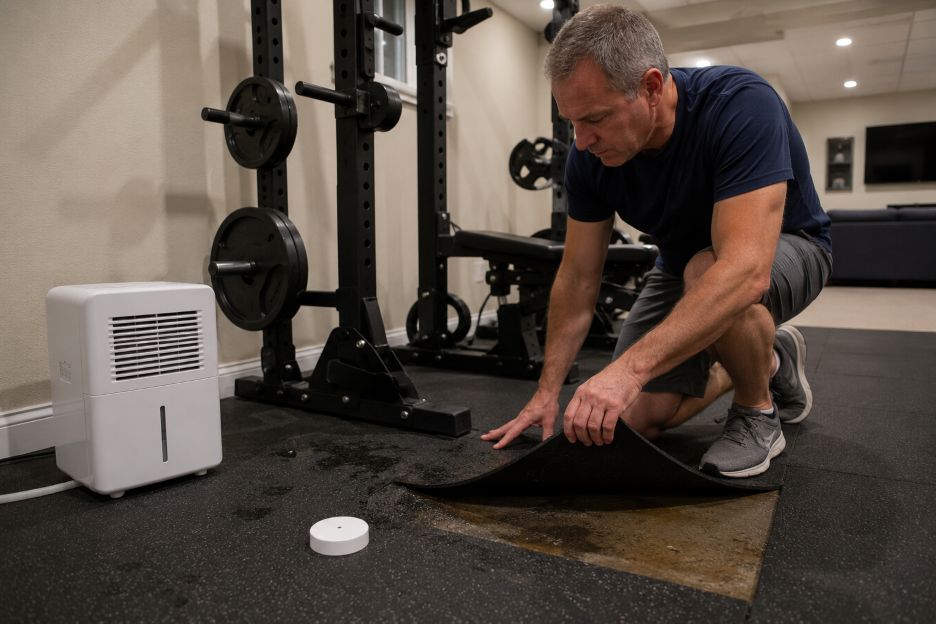
Approach One: Smart Sensors Catch Water Early
Smart leak sensors are small devices placed where water is likely to appear. Depending on the system, contact with water can trigger an audible alarm, a phone notification, or both. More advanced systems may connect with automatic shutoff valves, giving homeowners another way to limit damage from certain plumbing leaks.
The strongest argument for sensors is simple: people cannot watch a basement continuously. A small leak behind exercise equipment might continue overnight or while the household is away. Automated monitoring creates an opportunity to discover the problem sooner.
4 Places Where Sensors Can Be Especially Useful
- Near water heaters: Tanks, fittings, valves, and connected plumbing create several potential sources of leakage.
- Beside washing machines: Supply hoses, drains, and connections make laundry areas logical monitoring points.
- Near basement walls: Sensors placed strategically along vulnerable areas may reveal water reaching the floor.
- Under sinks or near plumbing: Slow leaks can remain hidden inside cabinets or behind stored belongings.
Early warning can be valuable because water does not need to become deep to create problems. The EPA notes that absorbent materials affected by mold may eventually require replacement. Carpet, paper products, and some furnishings are particularly vulnerable when they stay damp.
Approach Two: Detecting Water After Visible Signs Appear
The traditional approach costs nothing upfront. Homeowners notice a puddle, damp carpet, staining, peeling finishes, unusual odors, or warped materials and then investigate. For spaces used every day, visual inspection can sometimes identify an obvious plumbing failure quickly.
This method also avoids the maintenance associated with connected technology. Smart sensors may depend on batteries, Wi-Fi, correctly configured notifications, and appropriate placement. A device installed beside one wall cannot detect water entering at the opposite end of a large basement.
After-the-fact detection becomes less dependable, however, when the room is rarely visited. The EPA specifically warns that moisture problems can remain unnoticed in concealed areas, including behind walls and in other parts of a building that are easy to overlook. A finished basement containing cabinets, wall panels, gym mats, or bulky equipment can create similar blind spots.
5 Factors That Separate the Two Approaches
1. Speed of Detection
Sensors have the advantage when water reaches their detection points. Traditional observation depends on someone entering the room and recognizing the warning signs. That difference may represent hours or days.
2. Coverage
Neither system guarantees complete coverage. Several well-positioned sensors can monitor known trouble spots, while regular visual checks can reveal problems outside sensor locations. Combining both methods therefore offers broader awareness than relying entirely on one.
3. Cost and Maintenance
Visual inspection requires little equipment. Smart monitoring involves purchasing devices and periodically checking batteries, connections, and alerts. For homeowners deciding whether that expense makes sense, the value depends partly on what occupies the room and how often it is visited.
4. Risk to Home Gym Equipment
Home gyms create an unusual detection challenge because many items sit directly on or close to the floor. Mats can cover concrete or finished flooring, while benches, racks, and machines may make corners difficult to inspect. Water spreading underneath these areas may therefore remain out of sight.
5. Response After Discovery
Detection is only the beginning. The EPA recommends controlling the moisture source and drying damp building materials promptly. Its water-damage guidance discusses extraction, dehumidification, and increased air movement as methods used for affected materials. If water has entered walls, flooring systems, insulation, or other concealed spaces, determining the full extent of moisture may require additional assessment.
Why Atlanta Homes Deserve Extra Attention
Atlanta’s climate makes moisture planning relevant throughout the year. Climate data from the National Weather Service show that the city receives substantial precipitation across the seasons rather than experiencing one short rainy period. Heavy storms can expose weaknesses around foundations, roofs, drainage systems, windows, and other building components.
Housing age can matter as well. Data from the U.S. Census Bureau show that Atlanta has homes built across many decades. Older properties may have undergone multiple renovations or plumbing updates, making routine inspection of drainage, foundations, supply lines, and previous repairs sensible even when no leak is currently visible.
The Better Strategy Is Layered Detection
The debate does not need a single winner. Smart sensors offer speed and remote awareness, while physical inspection provides broader context and can identify warning signs technology misses. The same preventive thinking behind routine inspections of high-performance spaces can apply to a home gym, where equipment and flooring may conceal developing moisture problems. A homeowner might place sensors near likely water sources while periodically checking basement walls, floors, plumbing connections, drainage areas, and spaces beneath gym equipment.
Most importantly, an alert should lead to action rather than simply confirm that water exists. Finding and stopping the source, moving vulnerable belongings, documenting damage, and beginning appropriate drying can reduce the chance that a manageable leak develops into a larger restoration project.
Planning for the Leak You Hope Never Happens
A basement gym can represent a substantial investment in flooring, equipment, storage, and finished living space. Protecting it starts with recognizing that water problems are often easier to manage when discovered early.
Smart sensors provide an additional set of eyes, while regular inspection remains useful even in a connected home. For Atlanta households facing rainfall, aging building components, plumbing failures, or unexpected water intrusion, the most practical approach is preparation. Detect moisture quickly, investigate its source, and respond before water has additional time to spread into materials that are harder to dry.