
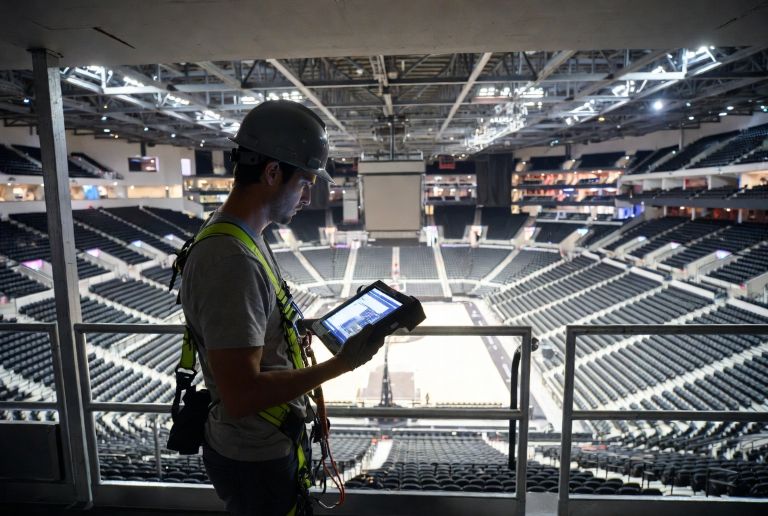
High-traffic environments like gyms and sports arenas create ideal conditions for pest activity, with warmth, moisture, and constant human movement accelerating the spread of contaminants. Research from the Centers for Disease Control and Prevention (CDC) highlights that shared public spaces can contribute to the transmission of bacteria and pests when sanitation and monitoring are not consistently maintained. These risks are often underestimated, especially in facilities designed for health, strength, and performance.
Despite the focus on cleanliness, many athletic facilities rely heavily on routine surface cleaning while overlooking deeper vulnerabilities. Cracks in flooring, locker room humidity, and storage areas can become hidden entry points. This is where inspection services play a critical role, acting as an early detection system that identifies issues before they escalate. Experts from the National Pest Management Association (NPMA) note that proactive monitoring is one of the most effective ways to reduce infestations in commercial and high-use environments.
The Problem: High-Performance Spaces, Hidden Risks
Gyms and arenas are built for performance, but their design often unintentionally supports pest survival. Locker rooms provide moisture. Equipment storage areas offer warmth and shelter. Constant foot traffic introduces outside elements daily. These factors combine to create a setting where pests can thrive unnoticed.
Data indicates that bed bugs, for example, are not limited to homes or hotels. A report from the Environmental Protection Agency (EPA) confirms that they can spread through personal belongings in public spaces, including fitness centers. Similarly, rodents and insects are drawn to food waste in concession areas and locker rooms. Once established, these pests can be difficult to control without targeted intervention.
Traditional cleaning routines, while essential, often address only visible surfaces. They rarely reach behind walls, under equipment, or within ventilation systems. As a result, infestations may grow quietly until they affect both operations and reputation. For facility managers, this creates a reactive cycle that is costly and disruptive.
The Solution: Proactive Inspection and Monitoring
Regular facility inspections bridge the gap between surface cleaning and comprehensive prevention. These structured assessments focus on identifying early signs of pest activity, such as droppings, nesting materials, or structural vulnerabilities. By catching these indicators early, facility operators can act quickly and avoid larger problems.
Experts emphasize that consistent pest assessments are more effective than occasional treatments. The World Health Organization (WHO) has highlighted the importance of preventive strategies in maintaining safe public environments, particularly in spaces with high occupancy. In gyms and arenas, this means scheduling routine checks rather than waiting for visible signs of infestation.
Beyond detection, these evaluations help improve overall facility management. They reveal maintenance gaps, such as leaks or poor ventilation, that contribute to pest attraction. Addressing these issues strengthens both hygiene standards and operational efficiency.
The Role of Technology in Modern Detection
Technology is transforming how pest monitoring is conducted. Digital sensors, thermal imaging, and data tracking tools now allow for more precise and less invasive detection methods. These innovations make it easier to identify problem areas without disrupting daily operations, while also supporting safe sports training environments through improved control of ventilation, airflow, and facility systems. Studies on indoor sports facilities show that poor air circulation and high humidity can lead to the buildup of bacteria and airborne contaminants, reinforcing the need for integrated monitoring solutions.
For instance, smart monitoring systems can track pest movement patterns in real time. Data from the Food and Agriculture Organization (FAO) suggests that integrating technology into pest management improves accuracy and reduces response time. In large venues like arenas, this level of insight is especially valuable.
Thermal imaging tools can detect heat signatures behind walls, helping identify nests or infestations that would otherwise remain hidden. Meanwhile, digital reporting systems allow facility managers to track trends over time, making prevention strategies more informed and effective.
These advancements reflect a broader shift from reactive pest control to predictive maintenance. Instead of responding to outbreaks, facilities can anticipate and prevent them.
Extending the Benefits Beyond Gyms
The same principles that apply to gyms and arenas are increasingly relevant in residential settings. Apartment complexes, condominiums, and shared housing environments face similar challenges, including high occupancy and shared spaces. Routine pest evaluations in these areas can significantly reduce the risk of widespread infestations.
Research shows that early detection in residential environments leads to lower treatment costs and better outcomes. The American Housing Survey (U.S. Census Bureau) has reported that pest issues are more manageable when addressed at the first sign of activity. This reinforces the value of consistent monitoring across different types of properties.
For homeowners, adopting a proactive mindset means scheduling periodic checks and addressing structural issues promptly. Small actions, such as sealing entry points or managing moisture, can make a significant difference over time.
Conclusion: Prevention as a Standard, Not an Option
High-performance spaces are designed to support health and well-being, yet they require more than routine cleaning to maintain those standards. The challenges posed by pests in these environments underscore the need for consistent, professional evaluations that go beyond surface-level solutions.
By integrating regular pest inspections, facility audits, and modern detection tools, gyms and arenas can maintain safer and more reliable environments. These preventive measures reduce risks, protect reputations, and support long-term operational success.
Ultimately, effective pest management is about foresight. Whether in a busy sports arena or a residential building, ongoing monitoring and structured assessments provide the foundation for cleaner, healthier spaces. As technology continues to evolve, these practices will become even more essential in maintaining environments where people gather, train, and live.