Why Inspection Services Matter in High-Performance Spaces Like Gyms and Arenas

Sports and Health

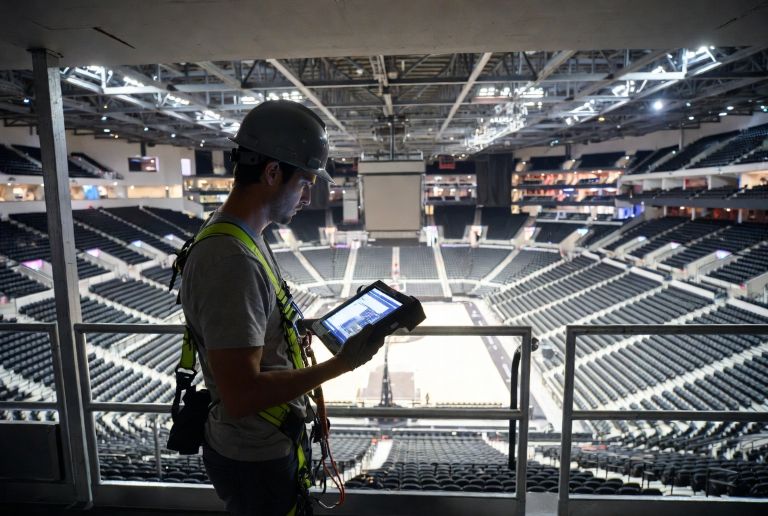
technician using a tablet and inspection tools to assess a large indoor sports arena

High-traffic environments like gyms and sports arenas create ideal conditions for pest activity, with warmth, moisture, and constant human movement accelerating the spread of contaminants. Research from the Centers for Disease Control and Prevention (CDC) highlights that shared public spaces can contribute to the transmission of bacteria and pests when sanitation and monitoring are not consistently maintained. These risks are often underestimated, especially in facilities designed for health, strength, and performance.

Despite the focus on cleanliness, many athletic facilities rely heavily on routine surface cleaning while overlooking deeper vulnerabilities. Cracks in flooring, locker room humidity, and storage areas can become hidden entry points. This is where inspection services play a critical role, acting as an early detection system that identifies issues before they escalate. Experts from the National Pest Management Association (NPMA) note that proactive monitoring is one of the most effective ways to reduce infestations in commercial and high-use environments.

The Problem: High-Performance Spaces, Hidden Risks

Gyms and arenas are built for performance, but their design often unintentionally supports pest survival. Locker rooms provide moisture. Equipment storage areas offer warmth and shelter. Constant foot traffic introduces outside elements daily. These factors combine to create a setting where pests can thrive unnoticed.

Data indicates that bed bugs, for example, are not limited to homes or hotels. A report from the Environmental Protection Agency (EPA) confirms that they can spread through personal belongings in public spaces, including fitness centers. Similarly, rodents and insects are drawn to food waste in concession areas and locker rooms. Once established, these pests can be difficult to control without targeted intervention.

Traditional cleaning routines, while essential, often address only visible surfaces. They rarely reach behind walls, under equipment, or within ventilation systems. As a result, infestations may grow quietly until they affect both operations and reputation. For facility managers, this creates a reactive cycle that is costly and disruptive.

The Solution: Proactive Inspection and Monitoring

Regular facility inspections bridge the gap between surface cleaning and comprehensive prevention. These structured assessments focus on identifying early signs of pest activity, such as droppings, nesting materials, or structural vulnerabilities. By catching these indicators early, facility operators can act quickly and avoid larger problems.

Experts emphasize that consistent pest assessments are more effective than occasional treatments. The World Health Organization (WHO) has highlighted the importance of preventive strategies in maintaining safe public environments, particularly in spaces with high occupancy. In gyms and arenas, this means scheduling routine checks rather than waiting for visible signs of infestation.

Beyond detection, these evaluations help improve overall facility management. They reveal maintenance gaps, such as leaks or poor ventilation, that contribute to pest attraction. Addressing these issues strengthens both hygiene standards and operational efficiency.

The Role of Technology in Modern Detection

Technology is transforming how pest monitoring is conducted. Digital sensors, thermal imaging, and data tracking tools now allow for more precise and less invasive detection methods. These innovations make it easier to identify problem areas without disrupting daily operations, while also supporting safe sports training environments through improved control of ventilation, airflow, and facility systems. Studies on indoor sports facilities show that poor air circulation and high humidity can lead to the buildup of bacteria and airborne contaminants, reinforcing the need for integrated monitoring solutions.

For instance, smart monitoring systems can track pest movement patterns in real time. Data from the Food and Agriculture Organization (FAO) suggests that integrating technology into pest management improves accuracy and reduces response time. In large venues like arenas, this level of insight is especially valuable.

Thermal imaging tools can detect heat signatures behind walls, helping identify nests or infestations that would otherwise remain hidden. Meanwhile, digital reporting systems allow facility managers to track trends over time, making prevention strategies more informed and effective.

These advancements reflect a broader shift from reactive pest control to predictive maintenance. Instead of responding to outbreaks, facilities can anticipate and prevent them.

Extending the Benefits Beyond Gyms

The same principles that apply to gyms and arenas are increasingly relevant in residential settings. Apartment complexes, condominiums, and shared housing environments face similar challenges, including high occupancy and shared spaces. Routine pest evaluations in these areas can significantly reduce the risk of widespread infestations.

Research shows that early detection in residential environments leads to lower treatment costs and better outcomes. The American Housing Survey (U.S. Census Bureau) has reported that pest issues are more manageable when addressed at the first sign of activity. This reinforces the value of consistent monitoring across different types of properties.

For homeowners, adopting a proactive mindset means scheduling periodic checks and addressing structural issues promptly. Small actions, such as sealing entry points or managing moisture, can make a significant difference over time.

Conclusion: Prevention as a Standard, Not an Option

High-performance spaces are designed to support health and well-being, yet they require more than routine cleaning to maintain those standards. The challenges posed by pests in these environments underscore the need for consistent, professional evaluations that go beyond surface-level solutions.

By integrating regular pest inspections, facility audits, and modern detection tools, gyms and arenas can maintain safer and more reliable environments. These preventive measures reduce risks, protect reputations, and support long-term operational success.

Ultimately, effective pest management is about foresight. Whether in a busy sports arena or a residential building, ongoing monitoring and structured assessments provide the foundation for cleaner, healthier spaces. As technology continues to evolve, these practices will become even more essential in maintaining environments where people gather, train, and live.

Why Rock Chip Repair San Antonio Echoes the Preventive Tech Strategies Used in Elite Sports Performance

Sports and Technology

Technician repairing windshield chip on sports car near stadium in bright daylight scene.

Injuries can develop to a point where intervention becomes far more difficult. Waiting until injuries transpire to take action could lead to devastating consequences.

To mitigate this, sports science teams study data, injuries, and preventative maintenance to keep athletes in peak condition while on the field. This philosophy can also be found in daily car maintenance, specifically with rock chip repair San Antonio.

This service is the embodiment of preventative care at work, just like high-performance sports technologies.

From a distance a rock chip can look small and insignificant. They can look like a small speck on a windshield caused by a piece of gravel. However, technicians know that this small chip can turn into a large crack, leading to much more expensive repairs.

Similar to how a personal trainer will take preemptive action to address a muscle strain before it becomes an injury, technicians use proprietary resin technology to stabilize the glass before a chip spreads and further damage to the glass occurs.

Preventive Monitoring

Predictive analytics, in tandem with preventative monitoring, is a staple of modern athletic practice. Individual motion sensors, advanced performance software, and biomechanical assessments are all utilized by coaches to preemptively identify issues before they manifest into injuries.

The objective is simple: maintain the built environment while minimizing downtime.

Windshield replacement services utilize a similar repair technique. Skilled technicians can inject advanced glass repair resins into small cracks in the windshield.

This repair can be done in a matter of minutes and keeps the glass intact. Instead of receiving a costly replacement, the driver is given a quick and inexpensive repair that allows the car to be driven immediately.

In this case, the athlete and equipment repair practice of top-level sporting teams is mirrored. Everything from the roadworthy construction of the automobiles to the level of the practice surfaces is important.

Velocity and Effectiveness in a High-Performance Universe

Time is of the essence when it comes to sports. Teams need to be in constant movement, and coaches and analysts need to move around and transport their equipment. The vehicles and how well they run are a crucial part of the sports system.

Removing a small windshield chip keeps the driver safe by preventing cracks from spreading. Keeping the automobiles well-maintained is as important as the efficient and minimal disruption repair. This is the same mindset elite-level sporting teams have.

Understanding small details shows a clear philosophy across many performance-based industries. Success is not usually birthed from a single moment of raw innovation. Rather, it is the culmination of countless improvements made over and over.

Precision Thinking Beyond the Playing Field

Training with precision is very important for all sports, so athletes engage in this process. They have coaches who watch their performance frame by frame, and engineers design their equipment with speed, safety, and endurance in mind.

The same precision is found in automotive glass repair, where the chip is repairable, and replacement is based more on accuracy and timing.

The vehicles used in professional sports also require a focus. Athletes, media, and whole teams need a reliable means to get to and from training, games, and community events. The maintenance on these vehicles represents the same focus found in training rooms and labs.

The philosophy shows most with the luxurious cars of professional athletes. They exude engineering and performance but are just as susceptible to the same dangers as every other car on the road. Keeping up with maintenance shows their philosophy extends beyond the sports field and integrates with the tech used in everyday driving.

Why Clean Tiles Matter in High-Tech Sports Centers

School Sports
High-tech sports centers are built to perform. They use advanced training equipment, motion-tracking systems, climate control, and smart lighting. Every detail is designed to improve performance and protect athletes. But there’s one feature that often gets overlooked: the tiles under everyone’s feet, which is why regular tile cleaning Brisbane services are essential in keeping these surfaces safe and professional-looking. Tiles may seem like a basic building material. They’re not flashy. They don’t track heart rates or measure speed. Still, they play a critical role in safety, hygiene, and the overall experience inside modern sports facilities.

Safety Starts from the Ground Up

Athletes move fast. They cut, pivot, jump, and sprint. Even in training areas without full courts, players are constantly in motion. Clean tiles reduce the risk of slips and falls, especially in high-traffic areas like locker rooms, pool decks, and entrances.
When tiles are dirty, dust and moisture mix. That creates a slick surface. In strength training areas, chalk and sweat build up quickly. If not cleaned properly, residue can spread and make floors unpredictable.
High-tech sports centers often install slip-resistant tiles. But even the best flooring loses effectiveness when grime builds up. Dirt fills in textured surfaces and reduces grip. Regular cleaning keeps the surface performing as designed.
And it’s not just athletes at risk. Coaches, trainers, and visitors move through these spaces every day. A single slip can lead to serious injury and liability issues.

Hygiene in High-Traffic Environments

Sports centers are shared spaces. Hundreds or even thousands of people may pass through each week. That means sweat, dirt, bacteria, and moisture are constant factors.
Tiles, especially in showers and locker rooms, are exposed to warm, damp conditions. That’s an ideal environment for mold and mildew. Once it starts, it spreads quickly along grout lines and under edges.
High-tech facilities often promote themselves as clean and professional. But visible grime on tiles sends the opposite message. It signals neglect. And members notice.
Regular tile cleaning helps control bacteria and odors. It also protects air quality. Mold spores don’t stay on the floor. They move through ventilation systems and affect the whole building.
In spaces with hydrotherapy pools or recovery zones, hygiene is even more important. Athletes recovering from injuries may have weakened immune systems or open wounds. Clean surfaces reduce the risk of infection.

Protecting Investment in Premium Design

Modern sports centers invest heavily in design. Many choose high-end porcelain or ceramic tiles for durability and appearance. Some use large-format tiles to create a seamless, professional look. Others incorporate custom patterns or branded colors. Dirty tiles undermine that investment.
Grout lines are especially vulnerable. When not sealed and cleaned regularly, they stain. Over time, discoloration becomes permanent. Replacing grout or tiles is expensive and disruptive.
Clean tiles preserve the facility’s original look. They maintain brightness under LED lighting and prevent dullness caused by residue. In high-tech environments where design and branding matter, small details make a difference.
It also affects how the space feels. A clean, well-maintained floor conveys a sense of order and discipline. That aligns with the mindset athletes need.

Supporting High-Tech Systems

Many modern sports centers rely on advanced systems. There are motion sensors, performance cameras, and smart cleaning robots. But these systems work best in clean environments.
Dust and debris can interfere with sensors. In some cases, buildup near walls or corners affects camera calibration or tracking accuracy. It sounds minor, but in performance training, small errors matter.
Automated cleaning machines also depend on consistent surfaces. If tiles are heavily soiled, robotic systems may not clean effectively. They’re designed for maintenance, not deep restoration.
Clean tiles support the technology around them. They create stable, predictable conditions for equipment and systems to function properly.

First Impressions Shape Reputation

Athletes and parents quickly judge a facility. So do sponsors and visiting teams. They notice the details.
Shiny equipment doesn’t compensate for stained floors. A high-tech training lab loses credibility if the locker room smells musty or looks neglected.
Clean tiles reflect professionalism. They show that management pays attention. That builds trust.
For competitive sports centers, reputation matters. Word spreads fast, especially in local athletic communities. A clean environment signals quality training and responsible management.

Longevity and Cost Control

Tile is durable, but not indestructible. Dirt acts like sandpaper. When ground into the surface, it causes micro-scratches. Over time, those scratches trap more dirt, making cleaning harder.
Moisture left sitting on tiles seeps into grout. That weakens the structure beneath. Eventually, tiles loosen or crack.
Routine cleaning extends the life of the flooring. It reduces the need for major repairs and full replacements. In large facilities, replacing tile can mean shutting down sections for weeks.
That downtime costs money. It also disrupts training schedules.
Preventive maintenance is simpler and less expensive. A consistent cleaning schedule protects the surface and the budget.

Athlete Experience and Performance

Athletes are sensitive to their environment. They notice when a space feels fresh and organized. Clean surroundings help them focus.
A dirty environment does the opposite. It distracts. It raises questions about overall standards.
There’s also a psychological factor. Clean spaces support discipline. They reinforce routines. When athletes see that the facility is cared for, they’re more likely to respect it.
And respect affects behavior. People are less likely to litter or ignore rules in well-maintained spaces.
Performance isn’t only about equipment and coaching. It’s about the environment. Clean tiles contribute more than most people realize.

Smart Cleaning for Smart Facilities

High-tech sports centers should approach tile cleaning strategically. That means more than occasional mopping.
It involves:
  • Scheduled deep cleaning of grout
  • Proper sealing to prevent staining
  • Use of non-abrasive, sport-safe cleaners
  • Monitoring moisture levels in locker rooms
  • Regular inspections for cracks or loose tiles
Some facilities integrate cleaning data into facility management software. They track frequency and identify problem areas. That fits with the broader high-tech approach.
The goal is consistency. Not just reacting to visible dirt.

It’s a Detail That Carries Weight

Tiles don’t attract headlines. They don’t show up in marketing photos as often as advanced equipment. But they carry every step, every drop of sweat, and every piece of dirt that enters the building.
In high-tech sports centers, performance and precision matter. Clean tiles support both. They protect safety, hygiene, investment, and reputation.
It’s easy to focus on cutting-edge tools and forget the basics. But the basics still matter.
And in a space built for peak performance, the ground beneath your feet should meet the same standard as the technology above.

The Rise of AI Tools That Help Students Score Cheap College Textbooks Before Season Training Starts

Sports and Technology

Student athlete smiling on campus using laptop while preparing academics before training season.

Students balancing college academics with sports training find that college life goes by quickly. Before the preseason practices start, they must prepare themselves physically, mentally, and financially.

Technology is helping to reduce the financial burden of textbooks. AI (Artificial Intelligence)-based tools are helping students buy cheap college textbooks, lowering the burden and helping them focus on training and academics.

AI as a Smart Assistant for Textbook Savings

AI technology has changed the way students search for textbooks and other learning materials. Instead of spending tedious hours looking for books in various bookstores and online marketplaces, students can use AI tools to sift through multiple marketplaces and offer a list of the best prices within seconds.

Students receive the best prices and the best option for a new or used book, a rental or digital edition, and the best timing and availability.

Student athletes benefit the most from such services during the preseason. These athletes have demanding schedules and don’t have the luxury of spending time looking for books. With the AI tools, they can focus on their training and academics and the overlap between the two.

Benefits of Predictive Pricing and Timing

The AI textbook platform’s most prominent benefit is predictive pricing. AI can analyze pricing history, demand fluctuation, and pricing by semester to predict when students can rent or buy a textbook for the lowest price.

This means students can circumvent pricing spikes that occur right before the semester begins.

Students who are preparing for training camps appreciate having their textbooks readily available. This allows students to focus more easily on practice. Students appreciate the ability to plan their studies, and this contributes to increased time management and helps them to perform better on the field and in class.


ALSO READ: Precision on Wheels: How Volvo’s CEM Keeps Athletes Safe and Ready to Perform


Personalization for Academic and Athletic Needs

Today’s AI technology can personalize pricing recommendations based on a student’s course, edition, and format preferences. Some platforms can sync with classes to track changes to reading lists or to notify students when prices drop.

This type of personal tracking is especially beneficial for student-athletes, who often have a lot of unstructured time and high levels of concentration. AI technology helps students to streamline administrative burdens so they can focus more on the things that matter most, especially during high-stress times.

Supporting Digital and Sustainable Learning

AI-powered textbook platforms promote sustainability and responsible resource use, as they often offer digital textbooks and verified used copies, both of which help to minimize cost and environmental impact.

Digital copies of textbooks allow students, especially those who travel to competitions on a frequent basis, to study on the go and avoid lugging around heavy books.

Smarter textbook sourcing aligns with the educational technology ecosystem, wherein convenience, cost, and accessibility are the most important factors.

Preparing for a Balanced Semester

As AI continues to advance, its integration into academic prep will deepen. For students about to engage in early season training, these tools offer tangible benefits by having critical resources in place before training begins.

With the use of AI to simplify textbook ordering, students will experience an easier transition into the semester and a more holistic college experience.